Private-Well Solutions
Well Water Filtration in Syracuse, NY
Private-well water varies significantly from one property to the next — iron, sulfur, manganese, hardness, sediment, and bacteria can all be present. The right treatment starts with understanding what's actually in your well.

Don't guess. Test first.
Well-water treatment is built around what the water actually contains — not assumptions. Testing your water is the first step.
Does Your Water Smell Like Rotten Eggs?
A sulfur odor — that unmistakable rotten-egg smell — is one of the most common reasons well owners start looking for treatment. It's often associated with hydrogen sulfide, but the source and concentration have to be confirmed before choosing an approach. Depending on whether it shows up in hot water only or throughout the home, treatment could involve oxidation, aeration, carbon, or specialty media. Proper evaluation comes first.
Orange or Brown Stains?
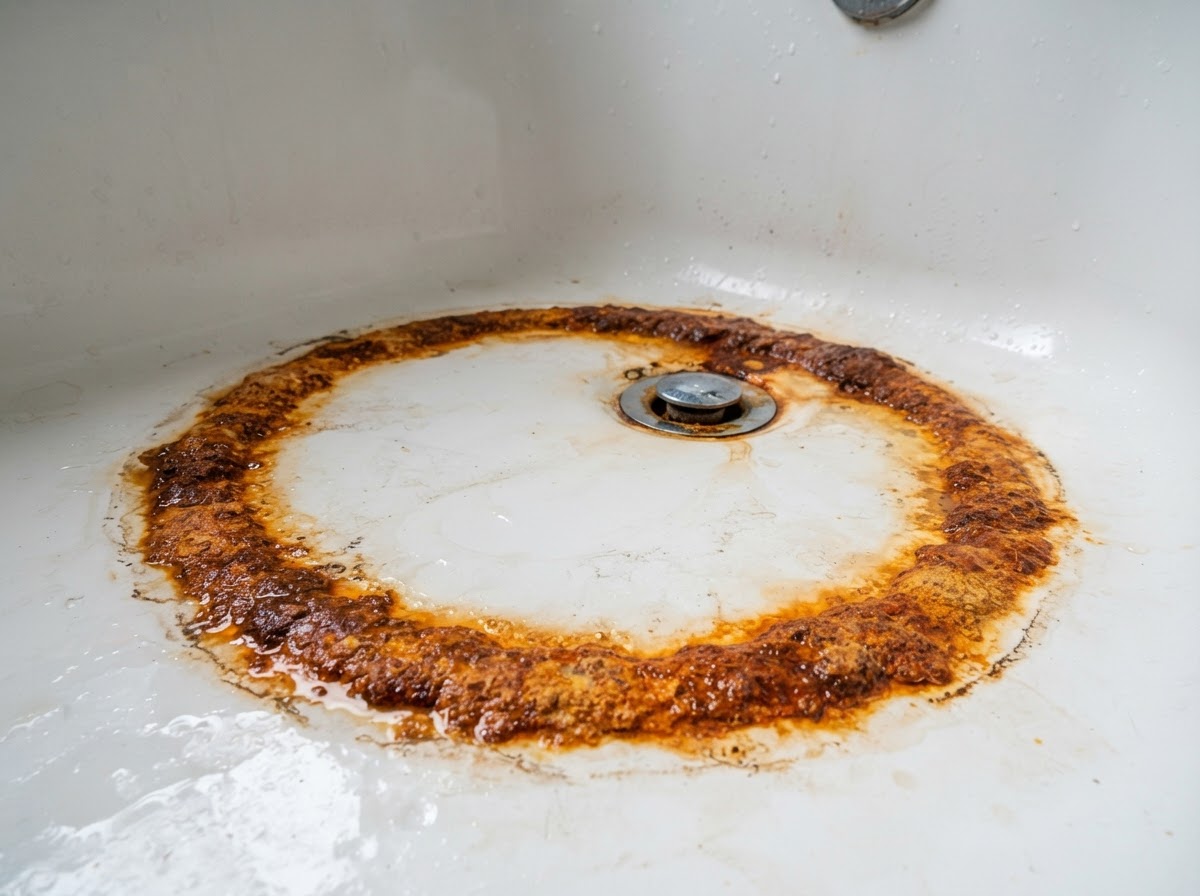
Orange or reddish-brown stains in sinks, tubs, and toilets are commonly linked to iron. The right treatment depends on the form of iron and how much is present — confirmed by testing.
Black or Dark Staining?
Dark staining can be associated with manganese, often present alongside iron. Evaluation determines the concentration and the right media to address it.
Grit or Sediment?
Sand, grit, or cloudiness points to sediment. Sediment filtration protects downstream equipment and plumbing from clogging and wear.
Hard Water / Scale?
Hardness causes scale and spotting in well water just as it does in city water. A softener is typically part of the overall setup.
Concerned About Bacteria?
When microbial concerns are present, UV disinfection is one possible treatment approach — typically part of a combined system, not a standalone fix. Testing determines whether it's appropriate.
Bad-Tasting Well Water?
Taste problems depend on the underlying cause — iron, sulfur, minerals, or organic compounds. Treatment is matched to what the water test finds rather than a one-size filter.
Well-Water Treatment Is Usually a Combination
Unlike city water, private-well water rarely responds to a single filter. A typical system might combine sediment filtration, an iron or sulfur treatment stage, a softener for hardness, and possibly UV disinfection. The exact combination is built around your water test — not pulled off a shelf.
Why Testing Comes First
Every well is different. Two homes on the same road can have completely different water. Assuming a particular contaminant is present — or buying equipment without testing — often leads to a system that doesn't solve the real problem or treats something that isn't there. Start with a water evaluation.
Installation & Maintenance
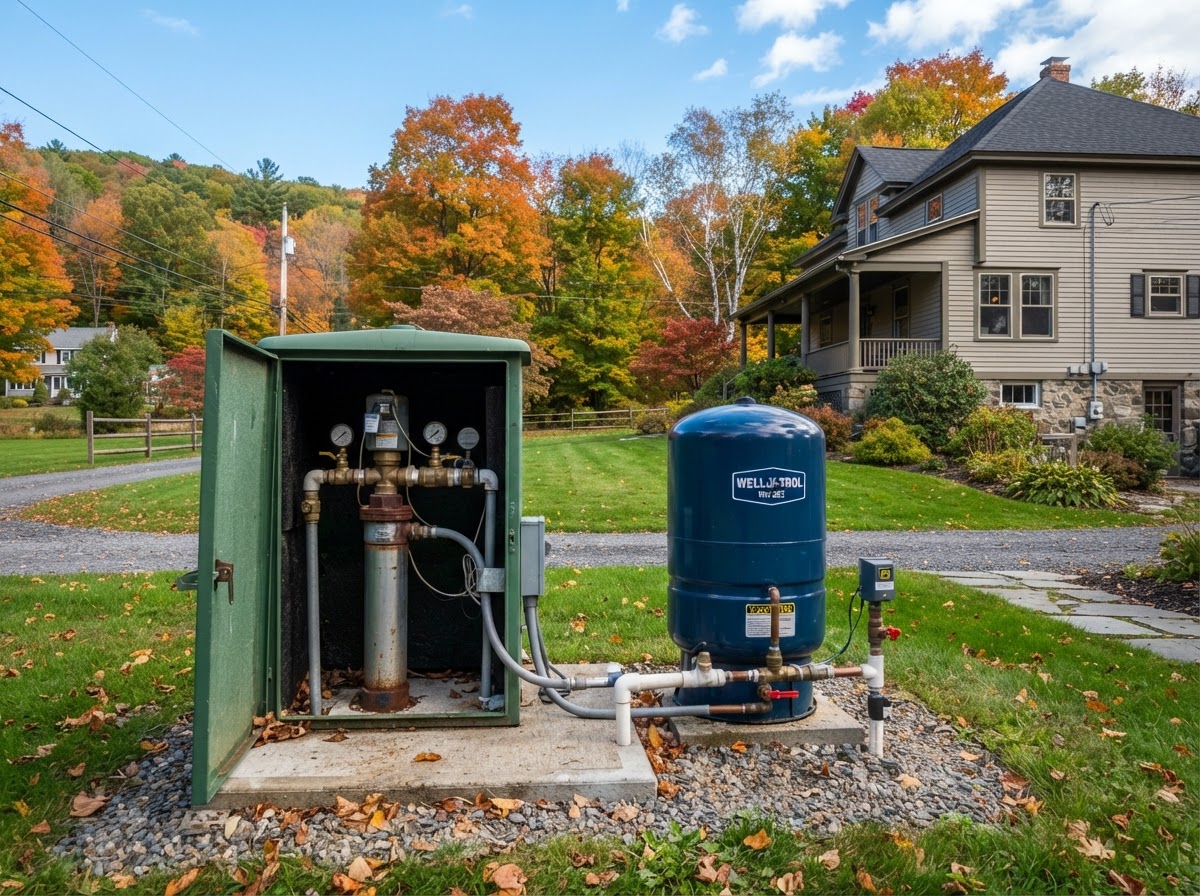
Once the water is understood and a system designed, installation integrates the treatment stages at the point where water enters the home. Well-water systems typically need ongoing attention — media replacement, salt for softeners, and periodic checks — and we walk you through the maintenance plan for your specific setup.
Frequently Asked Questions
How do I get rid of a rotten-egg smell in my well water?
A rotten-egg smell is often associated with hydrogen sulfide, but the source and concentration need to be confirmed before choosing treatment. Depending on whether it appears in hot water only or throughout the home, the right approach could involve oxidation, aeration, carbon, or specialty media. Proper evaluation comes first — don't guess.
What causes orange stains in my well water?
Orange or reddish-brown stains are commonly associated with iron. The right treatment depends on the form of iron (ferrous/clear-water or oxidized) and how much is present, which is why testing matters before selecting an iron filter.
What are the black or dark stains in my water?
Dark staining can be associated with manganese. Like iron, it requires proper evaluation to determine the concentration and the appropriate treatment media. Manganese is often present alongside iron and hardness.
Do I need a UV system for my well water?
UV disinfection is one treatment approach considered when microbial concerns are present in well water. Whether it's appropriate depends on testing results. UV is typically part of a combined treatment setup rather than a standalone solution.
Is one filter enough for my well water?
Rarely. Well-water treatment is often a combination of technologies — sediment filtration, iron or sulfur treatment, softening for hardness, and possibly UV — rather than a single generic filter. The combination is built around what the water test actually finds.
Bring Your Well Water Under Control.
Tell us what you're seeing — smells, stains, sediment, taste — and we'll help determine the right treatment approach for your Syracuse-area well.