Understand Your Water First
Water Testing in Syracuse, NY
You can't pick the right treatment system without knowing what's in your water. Testing turns guesswork into a clear recommendation — so the system you install actually solves the problem.
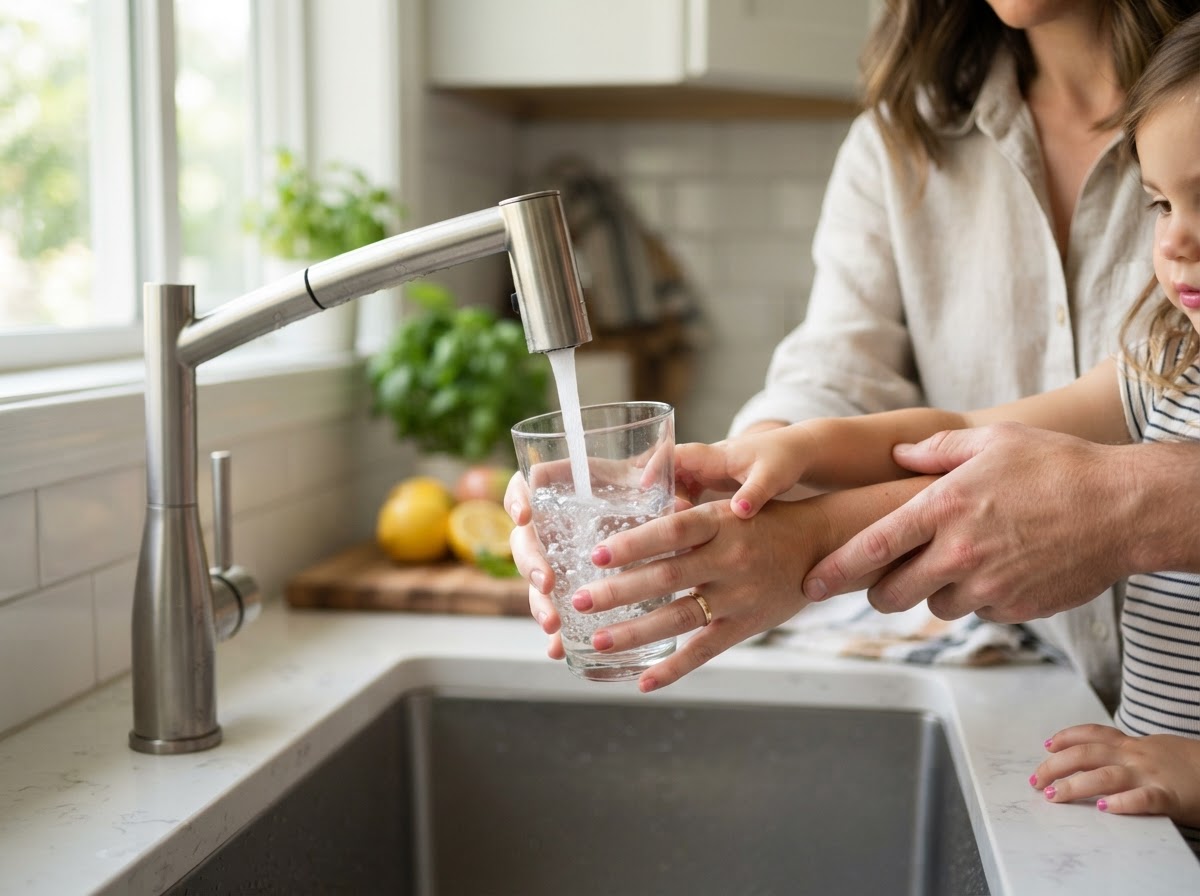
Why Testing Comes First
Every recommendation we make starts with understanding the water. Without testing, choosing a filtration system is a guess — and guesses get expensive. A system built around actual water conditions solves the real problem instead of treating something that isn't there.
Municipal Water vs. Private Wells
City water is treated and meets regulatory standards, so testing often focuses on taste, odor, hardness, sediment, and property-specific concerns. Private wells are unregulated, so testing is more comprehensive — covering iron, manganese, sulfur, pH, and potentially bacteria. The right tests depend on your water source.
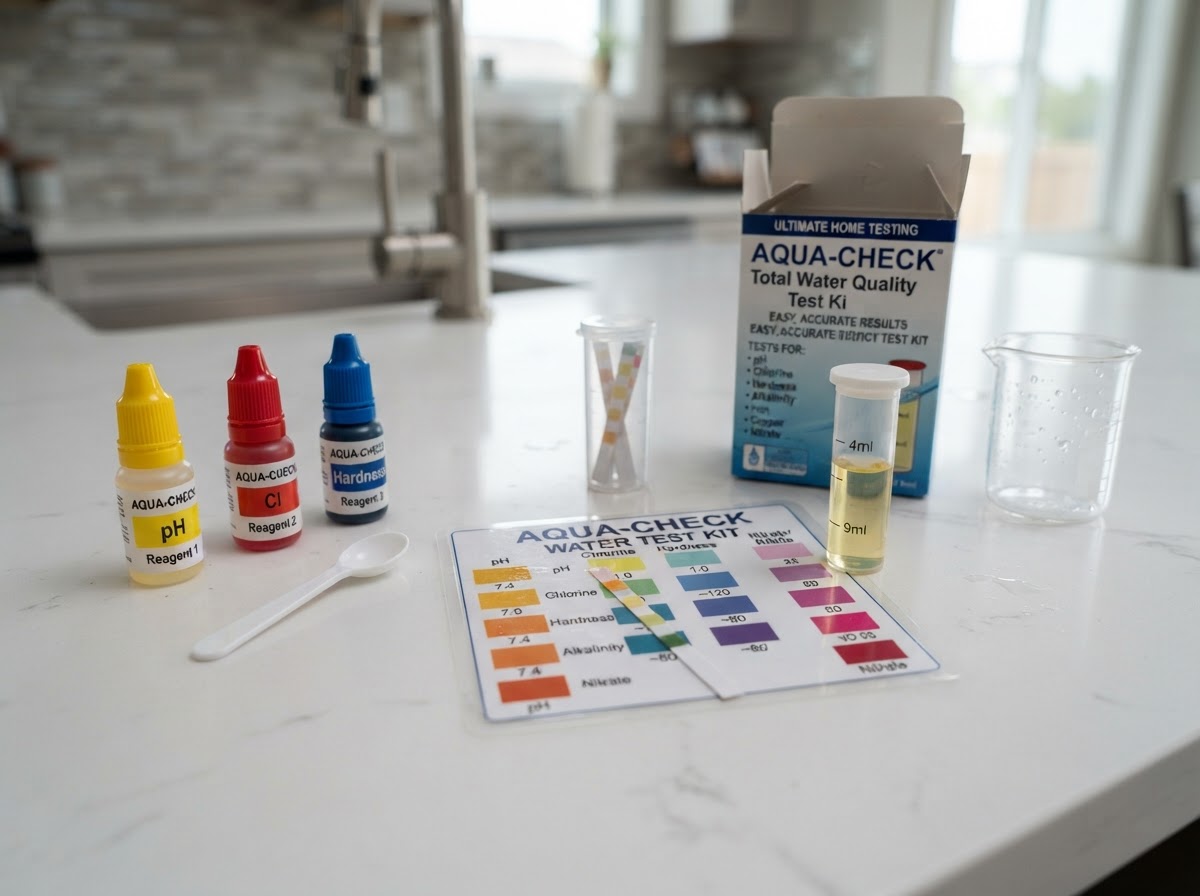
What We Look At
Common parameters include hardness (calcium and magnesium), iron, manganese, pH, sediment, and odor. Depending on the source and your concerns, contaminant-specific testing may be appropriate — for example, lead in older homes, or bacteria in private wells.
Hardness
Measuring hardness tells us whether a softener is needed and how it should be sized. Hardness varies widely across Central New York, even between neighboring homes.
Iron & Manganese
Iron causes orange staining; manganese causes dark staining. Both are common in well water. Testing reveals the form and concentration, which determines the right treatment media.
pH & Acidity
Water that's too acidic can corrode plumbing and affect treatment performance. pH testing tells us whether neutralization is needed before other treatment stages.
Sediment & Odor
Sediment and odor — including sulfur/rotten-egg smells — are evaluated directly. These guide the choice of sediment filtration and sulfur treatment in the overall system.
Bacteria & Contaminant-Specific Testing
For private wells, bacteria testing is often appropriate. Contaminant-specific testing — lead, arsenic, PFAS, VOCs, nitrates, and others — may be warranted depending on the property, location, and concerns. We help determine what's relevant rather than running every test on every home.
About laboratory testing
[LABORATORY TESTING CAPABILITY — TO BE CONFIRMED] We help homeowners determine what testing may be appropriate and can coordinate with an appropriate testing provider when certified laboratory analysis is required. We don't claim certifications we haven't earned — if certified lab testing is needed, we'll point you in the right direction.
From Test to Treatment
Once the water is understood, the results drive the recommendation — whether that's whole-house filtration, a softener, reverse osmosis, or a combined well-water system. Testing is what makes the recommendation trustworthy.
Frequently Asked Questions
Do I need to test my water before buying a filtration system?
Yes. Testing is the foundation of getting treatment right. Buying equipment without understanding the water often leads to a system that doesn't address the actual problem — or treats something that isn't there. Understand the water, then match the system to it.
What does water testing check for?
Common parameters include hardness, iron, manganese, pH, sediment, and odor. Depending on the water source and concerns, additional contaminant-specific testing may be appropriate. The right tests depend on whether you're on city water or a private well.
Is city water different from well water for testing?
Yes. Municipal water is treated and regulated, so testing often focuses on taste, odor, hardness, and property-specific concerns. Private wells are unregulated, so testing is more comprehensive — including iron, manganese, sulfur, pH, and potentially bacteria.
Do you provide certified laboratory testing?
[LABORATORY TESTING CAPABILITY — TO BE CONFIRMED] We help homeowners determine what testing may be appropriate and can coordinate with an appropriate testing provider when certified laboratory analysis is required. We don't claim certifications we haven't earned.
How much does water testing cost?
Testing scope and cost depend on the water source and what you want to understand. The right approach is to start with a consultation — we help determine which tests make sense for your situation before you pay for anything unnecessary.
Find Out What's Actually in Your Water.
Tell us about your home and what you've noticed. We'll help determine what testing makes sense and what to do with the results.